OUR STORY
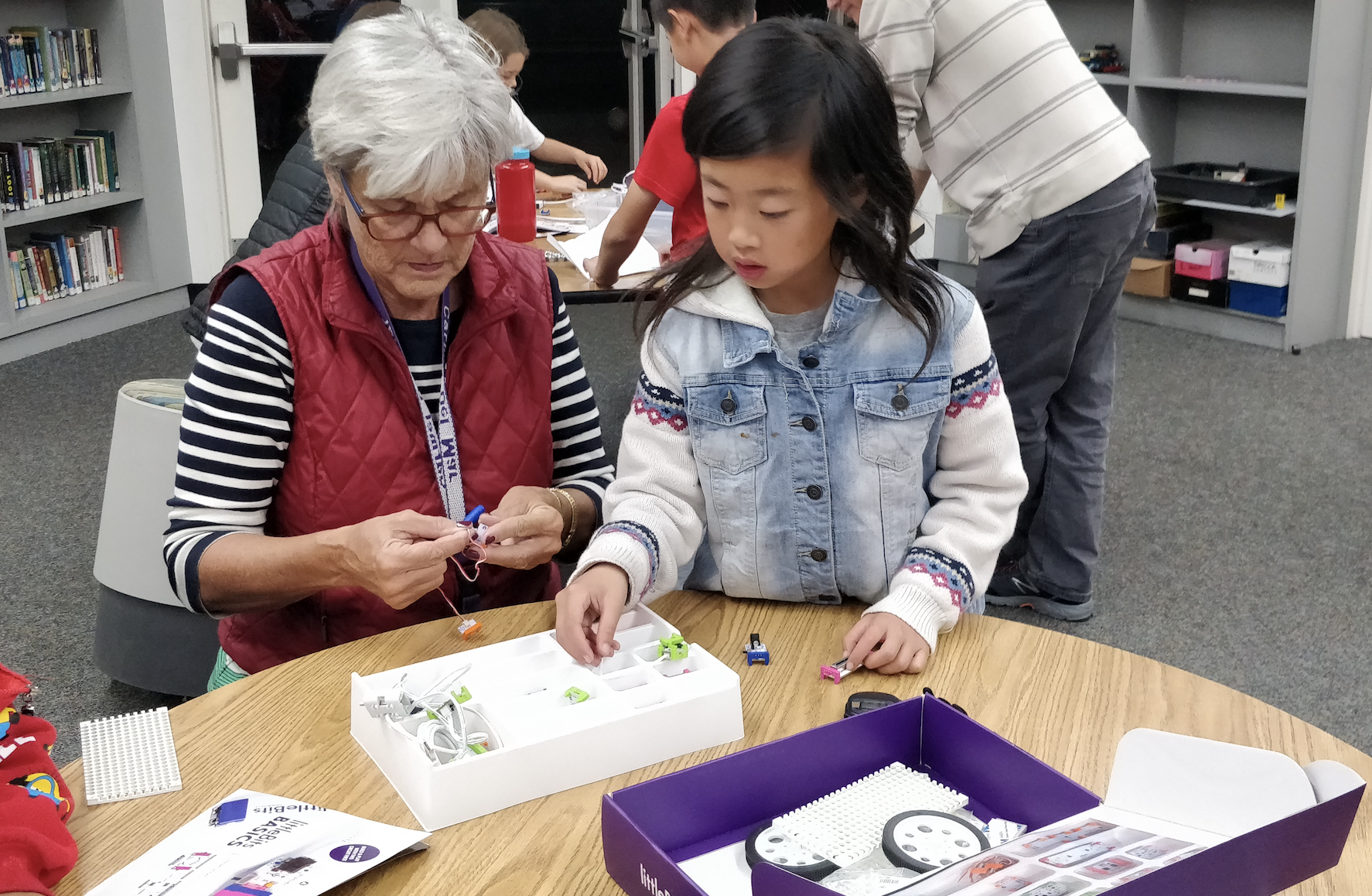
Why is 45 degrees the best angle to launch a ball? Why does light going through glass form a rainbow? From a young age, I’ve always wanted to find out how things worked. But as a homeschooler, I found that hands-on physics kits were often expensive and difficult to find, especially for younger students. I remember asking my parents for materials so I could try experiments myself, but kits were often rare, and expensive to come by when offered. Much of my learning was therefore done by disassembling old electronic parts, reading textbooks, and attending school events where kits were occasionally offered, all without much structure. While I didn’t get many of those opportunities growing up, I wanted to create them for other students through PhysiXplore Lab. I asked a simple question: How can we make hands-on physics accessible to kids? Not simplified physics that stops at painting or making a craft, but experiments that let students explore the deeper concepts behind what they build—the theory, how it applies to the experiment, and even how to document their findings through a scientific report. PhysiXplore Lab is the answer: a way for students of all ages to build, experiment, ask questions, and discover that physics isn't just something you learn—it’s something you experience.